




Tiles For Residential Spaces Designing Living Rooms Bedrooms And Kitchen
Residential interiors are shaped by daily routines, comfort, and emotional
connection to space. Tiles used across living rooms, bedrooms, and
kitchens must the refore balance durability with sensory comfort and
visual continuity. In modern homes, tiles increasingly act as unifying
surfaces that support cohesive design while simplifying maintenance
Living
Rooms
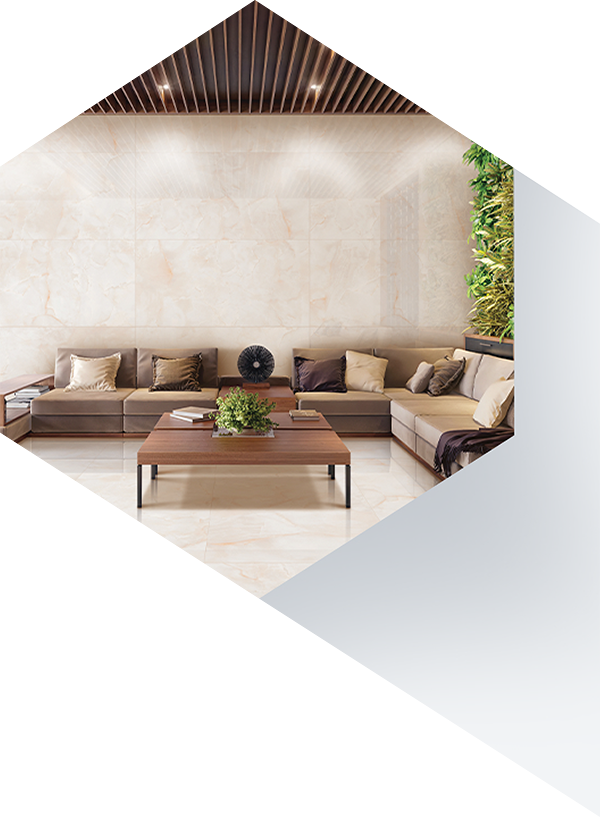
Living rooms benefit from tiles that enhance openness and continuity.Large-format tiles reduce visual fragmentation and allow furniture and lighting to define the space. Matte and satin finishes soften reflections and support visual comfort throughout the day.
Neutral tones such as warm beiges, softgreys,andstone-inspired hues provide flexibility as furnishings and layouts evolve.
Bed
Rooms
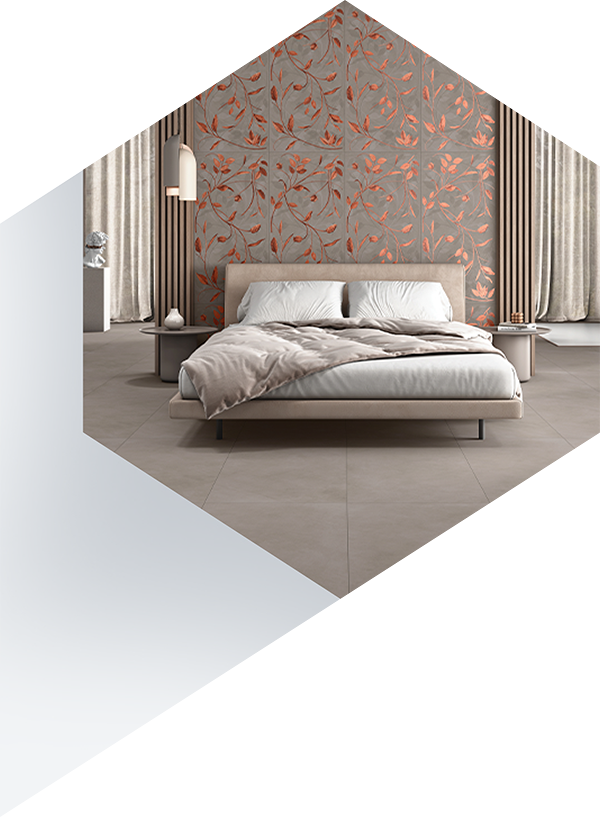
Bedrooms prioritise rest and psychological comfort. Tiles used in the sespaces often feature softer textures,matte finishes,andwarm tones. Wood-look tiles are commonly chosen to introduce warmth while retaining durability and ease of maintenance.
Layouts are typically simple, allowing material quality rather than pattern complexity to define the space.
Kitchens
Area
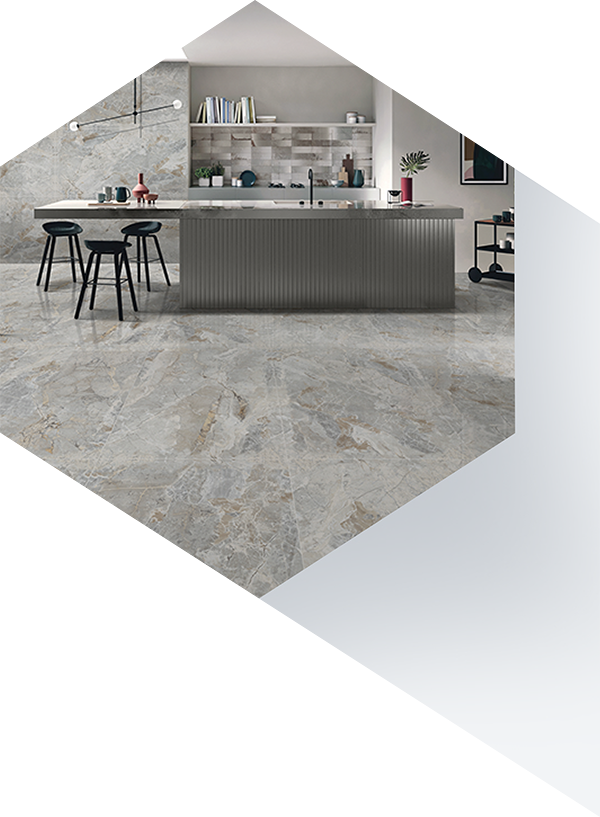
Kitchens demand tiles that with stand moisture,heat,and frequent cleaning.Floor tiles must offer stability and wear resistance,while wall tiles support hygiene and ease of maintenance.Visual continuity with adjoining living spaces is often achieved through consistent palettes and finishes,enhancing the overall aesthetic and functionality of the space.
Unified
Residential
Design
Using a consistent tile language across residential spaces enhances flow and simplifies upkeep.Variationis introduced through scale, orientation,or finish rather than abrupt material changes.

Really enjoyed reading this insightful article on choosing tiles for living rooms, bedrooms, and kitchens. The practical design ideas and focus on comfort, durability, and visual continuity make it very useful for residential spaces.